PROFESSIONAL
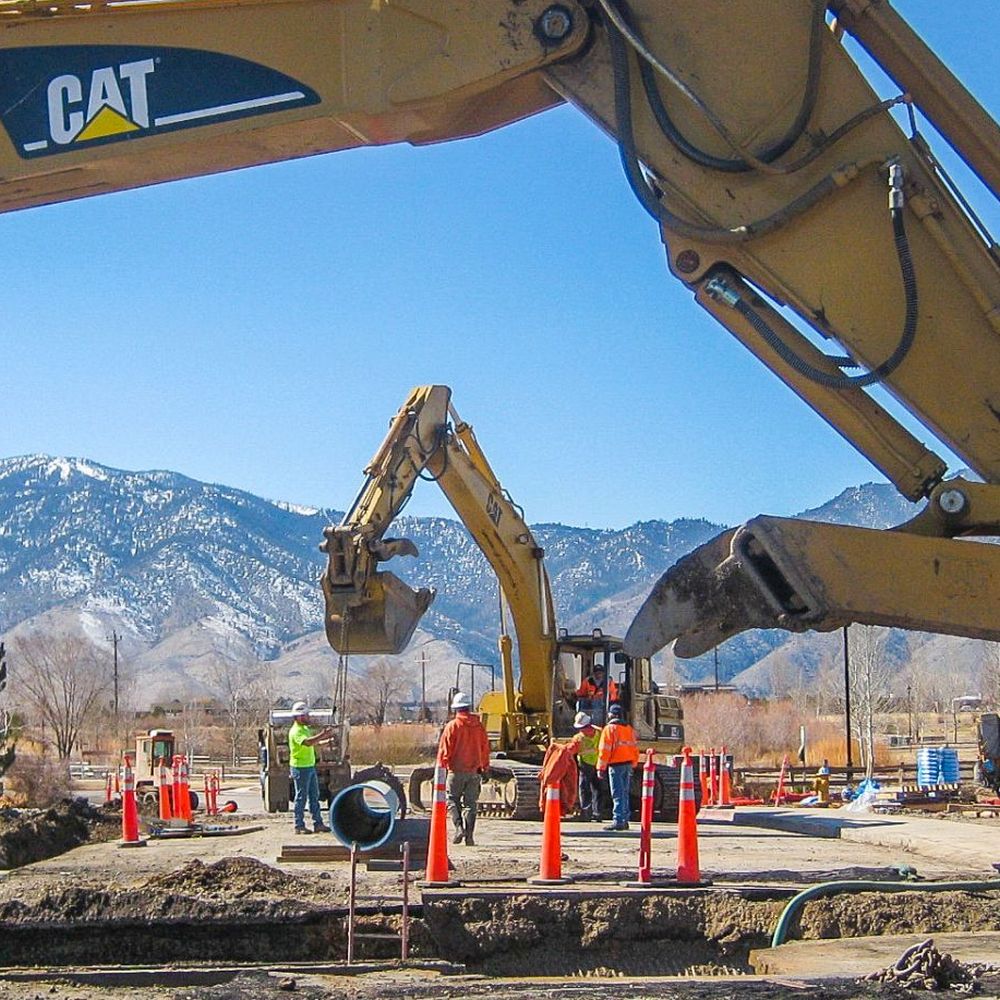
Our professional staff includes civil engineers, biologists, geologists, environmental managers, range management specialists, planners, and surveyors.

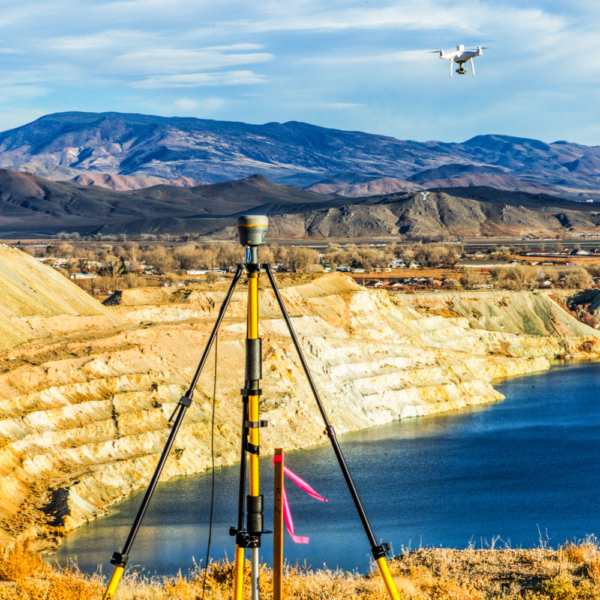
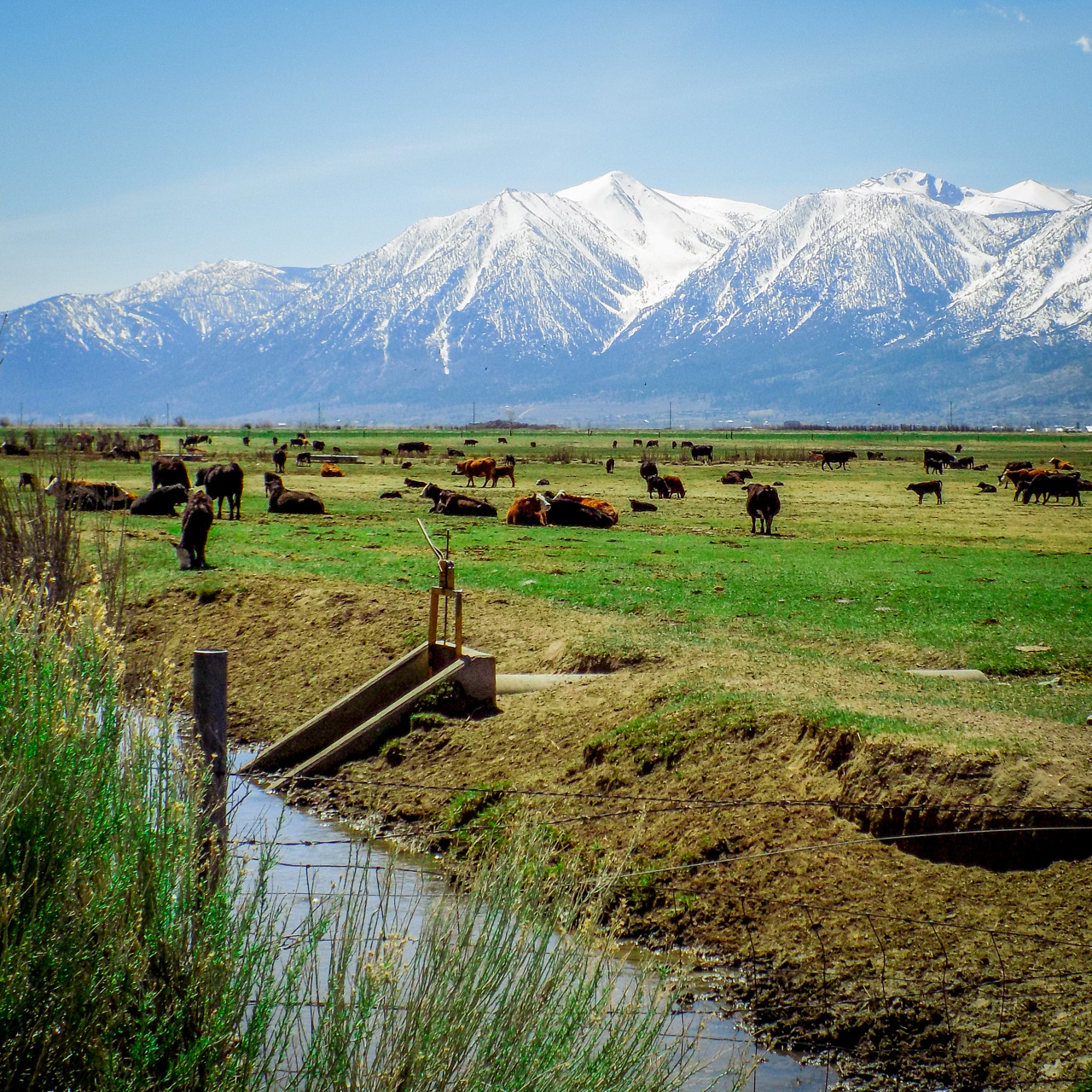

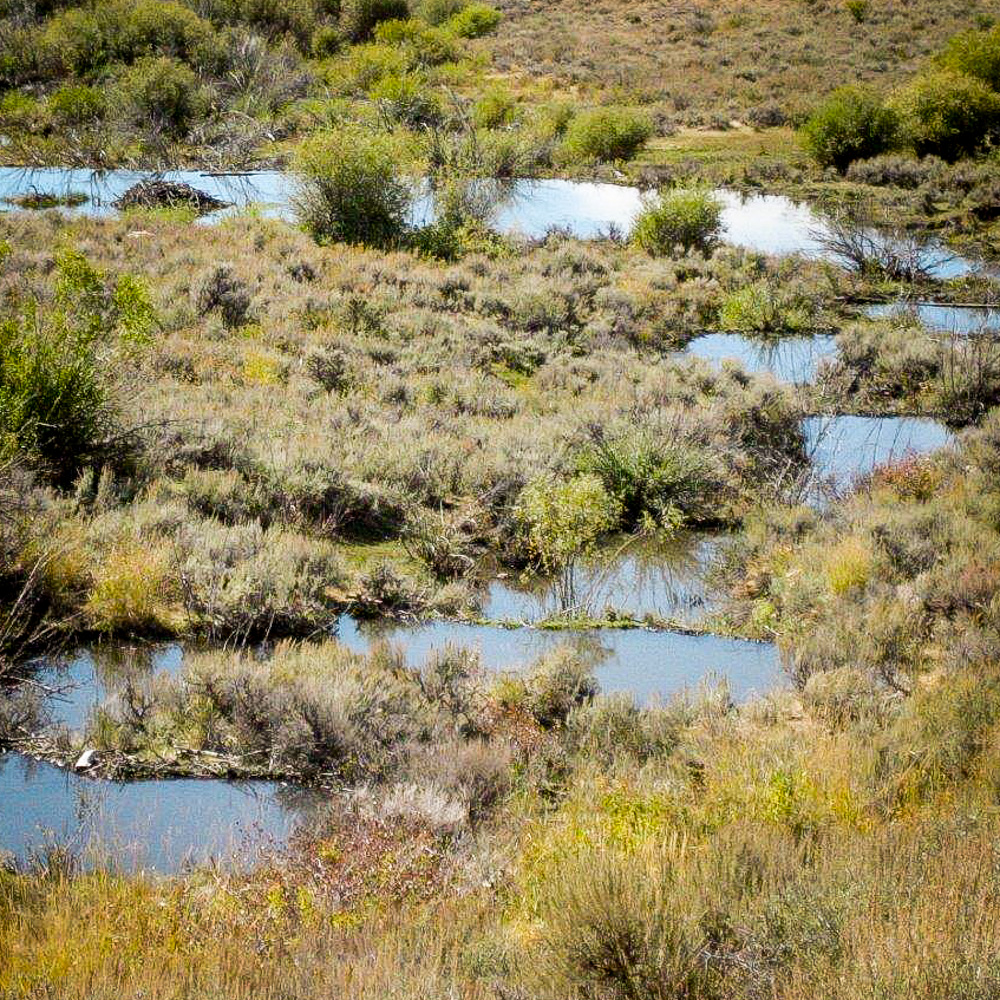
Our professional staff includes civil engineers, biologists, geologists, environmental managers, range management specialists, planners, and surveyors.
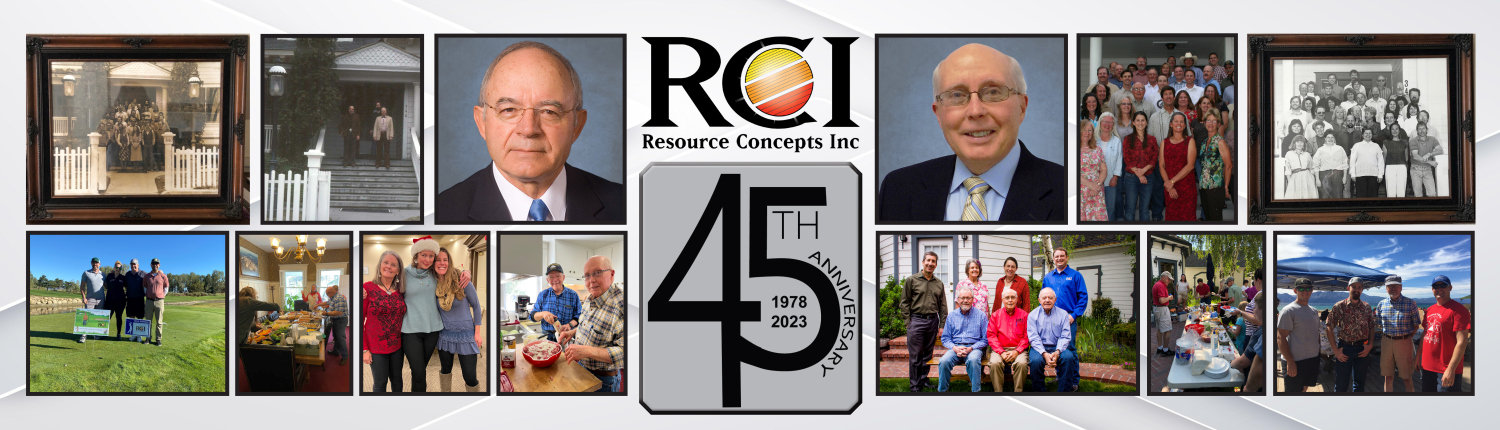
Resource Concepts, Inc. (RCI) has operated since 1978 providing dependable and cost effective services in Nevada, California and other western states.
From initial planning through completion, a hallmark of RCI services are professional projects delivered in a cost effective and timely manner.
RCI has an experienced and interdisciplinary staff. We are small enough to provide direct participation by senior level staff and large enough to support workloads for multiple projects.
RCI not only builds projects….
We build long term relationships by working in partnership with our clients to assist them in achieving their goals. We take pride in their success, our community and the work we accomplish.
RCI is a Small Business and we welcome teaming opportunities with large and small firms.
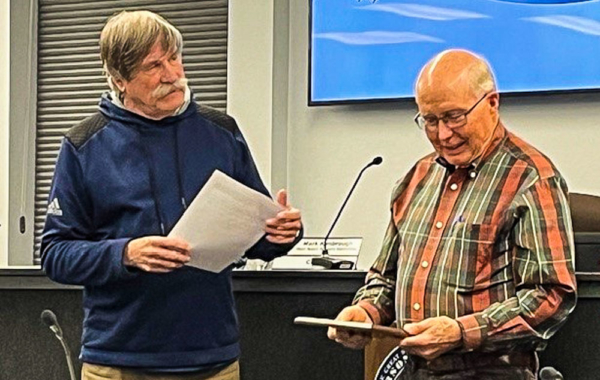
Mark Kimbrough, current Chair of the Carson City Open Space Advisory Committee, presents Bruce Scott, PE, PLS, WRS with an Appreciation Award for over 23 years of community service and support as a board member and chair. Photo courtesy of Jill Sutherland, PE.
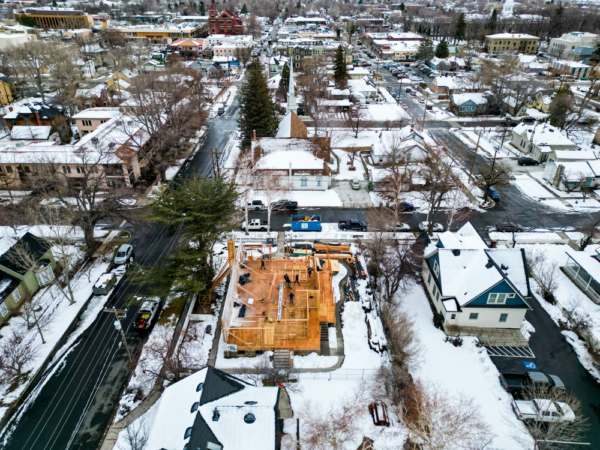
Reconstruction of our historic main office has been continuing, even through the recent snowstorms.
“New life emerging in the dead of winter.” –Diane Lortie
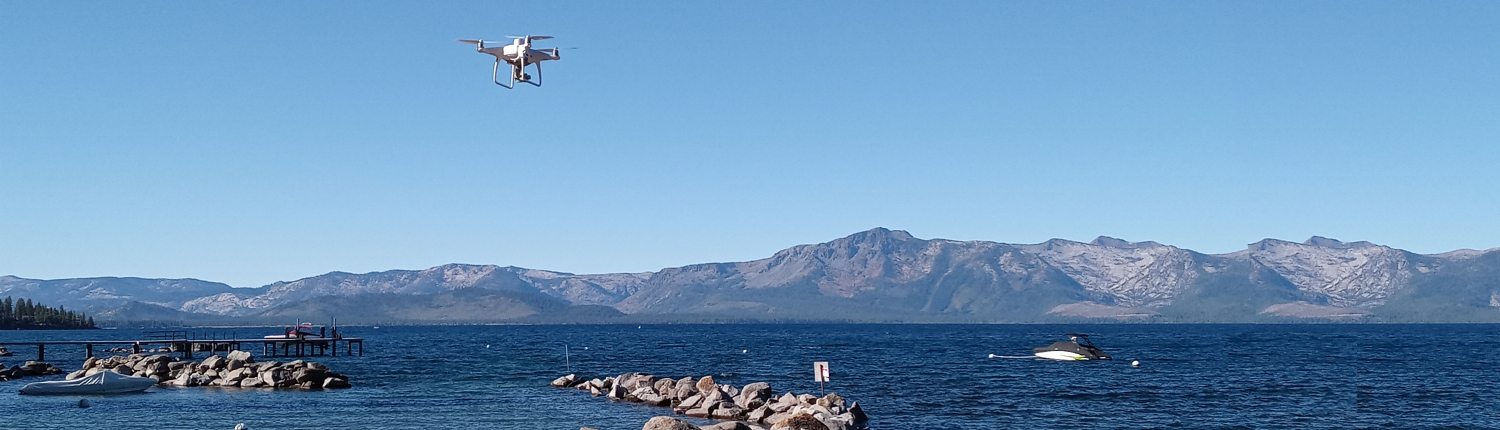
Drone footage courtesy of Zach Wood.
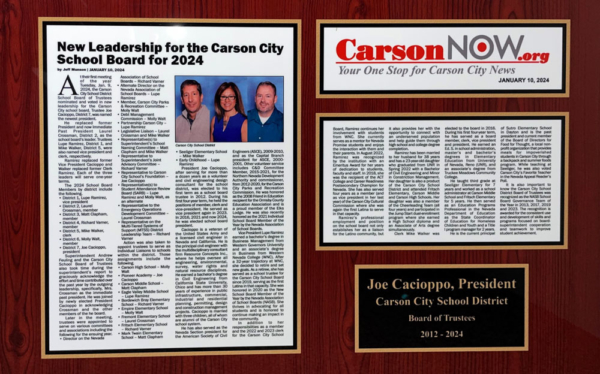
RCI Principal of Engineering Joe Cacioppo believes in giving back to the community he has called home for 28 years whenever and wherever he can. “Twelve years with the Carson City School District Board of Trustees also provided me with the opportunity to work alongside a wonderful group of talented and dedicated individuals who care about Carson City and its students.”
https://carsonnow.org/story/01/10/2024/new-leadership-carson-city-school-board-2024


 Make a Payment
 Visit RCI on Facebook